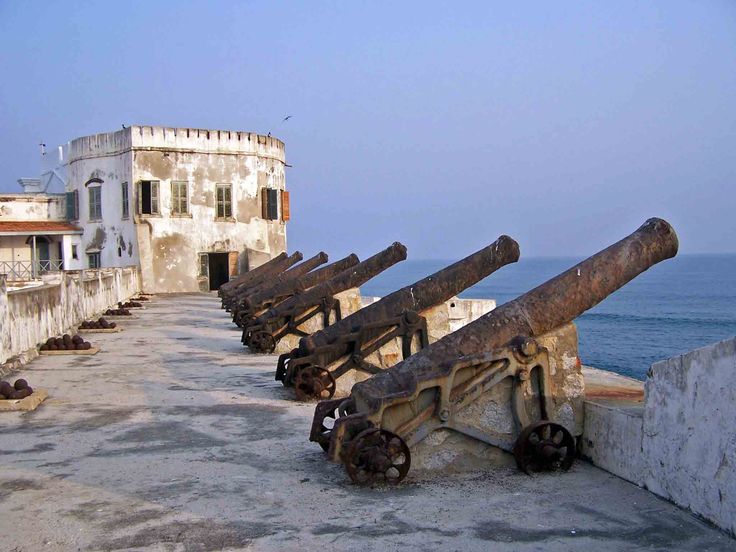
The Bastions
Our Resilience
Elmina Castle stands as testament to our enduring spirit.
Explore HistoryOur heritage is not the past. It is the soil beneath your feet.
It is the voice that calls you home.
Discover Your Legacy
patriotism redefines national duty as a sacred intergenerational stewardship, positing that a nation’s true sovereignty lies not in its political machinery, but in the physical and ancestral inheritance of its land and legacy. To guard the "stones of our forts" is to practice a form of architectural vigilance, ensuring that historical landmarks remain "vocal" as primary witnesses to the struggles and triumphs of the past, thereby shielding the collective memory from the erosion of cultural amnesia or historical revisionism. Simultaneously, to honor the "roots of our forests" is to embrace an ecological nationalism that views the natural environment as the ultimate ancestor; it recognizes that a people’s identity is inextricably bound to the soil, meaning that the conservation of ancient groves and ecosystems is a profound act of defending the nation’s life-force. Under this framework, the patriot serves as a vital link in a "Burkean" social contract—a curator of the "given"—who accepts the moral mandate to protect the tangible ruins and biological foundations of the country, ensuring that what was inherited from the dead is passed, untarnished and resilient, to the unborn.
Heritage is the foundation upon which our future rests.

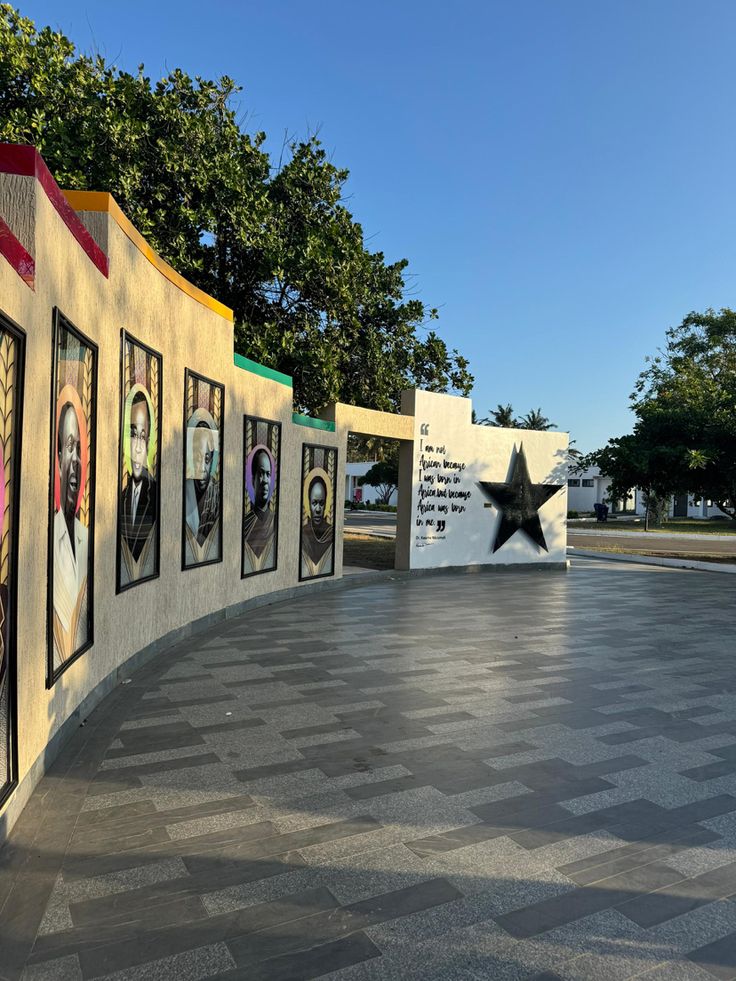
The distinction transforms patriotism from a vague sentiment into a measurable, defensive act of stewardship. While heritage provides the "soul" of the nation through its oral traditions, landmarks serve as the "physical evidence" that anchor our stories in reality. A patriot guards both — the cultural narratives and the stones that testify to them.
Elmina Castle stands as testament to our enduring spirit.
Explore History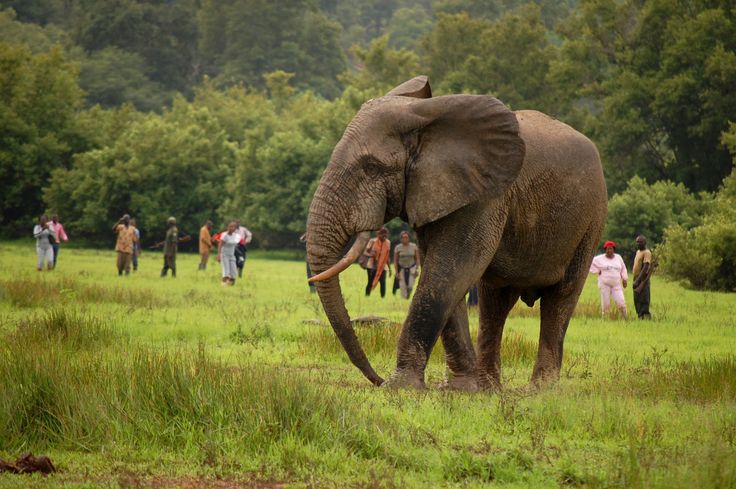
.jpg)